
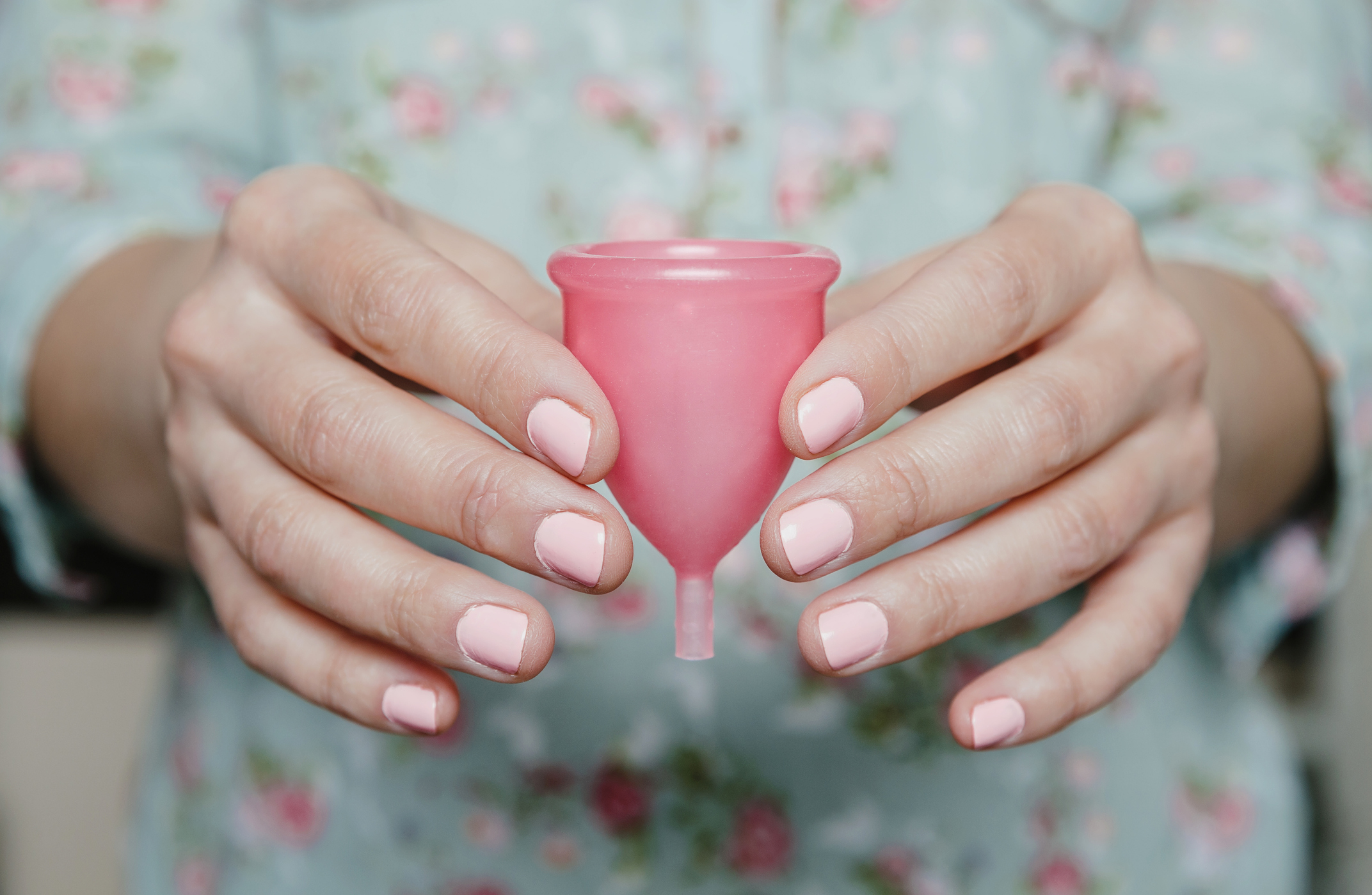
It’s one of the most common questions people have about their bodies — and one of the least openly discussed: “Is my period normal? Whether it’s the length of your period, the amount of pain you feel, or how unpredictable your cycle seems, most women wonder at some point whether what they’re experiencing lines up with everyone else. The reassuring answer is that “normal” covers a wide range. The equally important answer is that some patterns are worth paying attention to, because they can point to something that deserves care.
Here’s what a typical menstrual cycle looks like, why irregularity is so common in the early years, and the signs that mean it’s time to talk to a provider.
Key Takeaways
- A normal menstrual period lasts about five to seven days and involves roughly 80 CCs of blood loss: Surprisingly, that’s about five tablespoons — the volume is far smaller than most people assume, so a heavy visual impression alone is rarely cause for concern; a change from your own baseline matters more.
- Irregular cycles are expected in the first two years of menstruation: The brain, ovaries, and uterus are still learning to coordinate, so unpredictable timing early on reflects a normal calibration process rather than a problem.
- If you have severe cramps that cause you to miss school or other responsibilities, talk to your provider: Needing heavy or frequent pain medication every cycle, or missing daily activities, is a signal to see a provider rather than a level of pain to endure quietly.
- Cycles consistently longer than 45 days, or pain that steadily worsens over time, can point to an underlying condition: Structural differences in the uterus or vagina and conditions like endometriosis are worth ruling out when periods fall outside typical patterns.
- Persistent or worsening period symptoms are a reason to talk to a healthcare provider: Many causes are straightforward to manage once identified, and getting answers early brings both physical relief and peace of mind.
What a “normal” period actually looks like
The first thing to understand is that there’s no such thing as “normal” that looks the same for everyone. A healthy menstrual cycle varies from woman to woman, and comparing yours to a friend’s rarely tells you much. That said, research gives us a general range. Most studies find that periods last somewhere between five and seven days, though a bit shorter or longer can still be perfectly healthy.
Cycle length and period length are two different things. On cycle length, we have pretty good data. The Harvard Apple Women’s Health Study analyzed 165,668 menstrual cycles from more than 12,000 participants and found an average cycle length of 28.7 days, consistent with the classic 28-day figure while confirming that plenty of natural variation surrounds it.
Average Period Blood Loss
The amount of blood lost tends to surprise people. The amount of blood that we actually lose is actually smaller than you would think based on your pads and your tampons,” counsels Kelley L. Sturrock, M.D., Adolescent Gynecology Specialist at Gynecology and Obstetrics. “They measure it to be about eighty CCs,” she continues. That’s roughly five tablespoons.
It looks like more because menstrual flow is mixed with other fluids and tissue, and because even a small amount of blood spreads and stains. So if it feels like a lot, that’s usually normal. What matters is a dramatic change from your own usual pattern, not the raw impression of volume.
Your cycle changes across your life
One of the most useful findings from the Apple study is that “normal” isn’t even fixed for a single person — it shifts with age. People under 20 had the longest cycles, averaging 30.3 days, while those in their late 30s averaged the shortest at around 28.7 days; after age 50, cycles lengthened again to an average of 30.8 days. The study also found that higher body mass index was associated with longer and more variable cycles, one of several factors that can nudge an individual’s pattern in either direction.
Why the first couple of years are so unpredictable
For anyone who has just started menstruating — or who is parenting someone who has — it’s pretty common to have irregularity in the beginning. “Your body is trying to learn how to go through this cycle,” Dr. Sturrock explains. “It takes a lot for the brain to learn to talk to the ovaries, to talk to the uterus, and to do it in a nice, uniform way.”
The Apple study findings reflect this wisdom: cycles are less regular in the years right after the first period and tend to become more regular with age, generally settling into a regular pattern within about four years of a person’s first period.
Early cycle irregularity aside, there are some things worth flagging with your provider: “Sometimes there could be another explanation for that besides just puberty,” Dr. Sturrock says, “and that’s another reason why some young women come in to talk.” That instinct is well-founded: the researchers note that unusually long or irregular cycles have been linked to conditions including infertility and cardiometabolic disease, which is part of why cycle patterns are treated as a genuine health indicator rather than just an inconvenience.
Period pain: how much is too much?
Just like cycle length, the amount of pain during a period varies enormously from person to person. A certain amount of discomfort — mild to moderate cramping in the lower abdomen — is a normal part of menstruation, caused by the uterus contracting to shed its lining. But if you experience period pain, medically known as dysmenorrhea, you should speak with your doctor. “Some people have crippling cramps that keep them home from school, which we technically think is not normal,” Dr. Sturrock explains.
If you are routinely relying on a lot of pain medication or regularly missing school, work, or daily activities, you should make an appointment. None of these automatically means something is wrong, but all are good reasons to get evaluated rather than quietly suffering.
When severe pain points to something more
Most period discomfort comes from normal uterine contractions. But increasingly severe menstrual pain can occasionally have a physical cause that needs attention. Sometimes there are structural differences in the shape of someone’s uterus or vagina that make them more prone to discomfort. “Those are not that common,” Dr. Sturrock notes, “but sometimes they do occur.”
Debilitating or chronic pain may suggest an underlying condition such as PMOS or endometriosis. The takeaway isn’t to worry about any one specific cause — it’s that pain severe enough to disrupt your life has explanations worth investigating.
When to See a Doctor
Even if you’re not having excessive bleeding or chronic period pain, you don’t need a dramatic symptom to justify a visit — something feeling “off” is reason enough. But a few things are especially worth a visit to your Women’s Health Connecticut provider:
- Cycles consistently longer than about 45 days or that come very frequently, especially beyond the first few years;
- Periods that suddenly become much heavier or longer than your normal;
- Cramps severe enough to keep you home or that require heavy pain medication every cycle; pain that steadily worsens over time;
- or bleeding between periods.
A provider can help you understand what’s driving these patterns: if it’s the normal calibration of a young cycle, weight or hormonal factors, a structural difference, or a condition like endometriosis, many causes are straightforward to manage once identified.
Frequently Asked Questions
How long should a normal period last?
Most periods last about five to seven days, though a bit shorter or longer can still be healthy. There’s no single normal — cycle length varies from person to person.
How much blood does a woman lose on her period?
About 80 cc on average across an entire period — roughly five tablespoons. It looks like far more because menstrual flow mixes with other fluids and tissue, and even a small amount spreads and stains.
Why are my periods irregular in the first couple of years?
Because your body is still learning the cycle. It takes time for the brain, ovaries, and uterus to coordinate a regular rhythm, so unpredictable timing in the first two years after your periods begin is expected.
Are painful period cramps normal?
Mild to moderate cramping is normal and comes from the uterus contracting. But cramps severe enough to keep you home from school or work, or that require heavy pain medication each cycle, are not something to simply endure — they’re worth discussing with a provider.
On average, how many days are there between periods?
The average cycle is about 28 days, and the average length of a period is 5-7 days, so there are usually 22-21 days between each menstrual period.
When should I see a doctor about my periods?
Consider a visit if your cycles are consistently longer than about 45 days, if periods suddenly become much heavier or longer than usual, if cramps regularly sideline you, if pain steadily worsens over time, or if you bleed between periods. Any clear change from your own baseline is reason enough to ask.
Can severe period pain mean something is wrong?
It can. Most pain comes from normal contractions, but increasingly severe pain occasionally has a physical cause — such as a structural difference in the uterus or vagina that obstructs blood flow, or a condition like endometriosis. These are worth ruling out when periods are consistently debilitating.
The Bottom Line
Your period is, in many ways, a monthly report on your overall health — which is exactly why it’s worth understanding. A normal cycle spans a wide range, shifts across your life, and looks a little different from one person to the next. Early irregularity is part of the process, and mild cramping is expected.
At the same time, crippling pain, dramatic changes, and cycles well outside the usual limits are not things you have to accept in silence. If you’ve ever found yourself wondering whether your periods are normal, that question alone is a good enough reason to ask someone who can help you find out. You know when something feels “off,” so make an appointment today and we can help get you the answers you need.